

12+ Years Experience
Dr Ram Gopal Teja Kotla
Gastroenterologist & Hepatologist
MBBS, MD (General Medicine), DM (Gastroenterology)
View profile →
గ్యాస్ట్రో ఎంట్రాలజీ
Digestive and liver symptoms are common, and their causes range from simple to serious. At GVS, a gastroenterologist and advanced therapeutic endoscopist reviews your symptoms, history and earlier reports before deciding on medicines, tests or a procedure. Not every digestive symptom needs an endoscopy, and you are told why a test is advised.
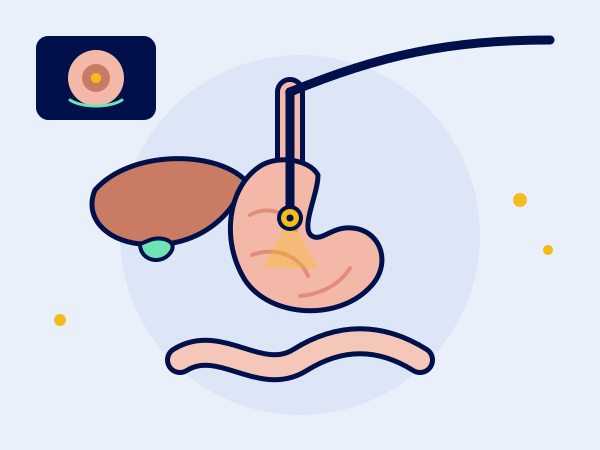
These are common reasons people seek care. They do not diagnose a condition. Your doctor decides what applies to you.
Acidity, bloating, abdominal pain, vomiting, constipation or diarrhoea: finding the possible cause and next steps.
Fatty liver, abnormal liver blood tests, hepatitis and cirrhosis: the cause, liver health and need for treatment or monitoring.
Examines the food pipe, stomach and first part of the small intestine, for difficulty swallowing, vomiting, reflux or suspected bleeding.
Examines the large intestine and rectum, for rectal bleeding, bowel changes or inflammation, and can identify polyps.
Endoscopy with ultrasound to examine the pancreas, bile ducts and digestive tract walls in close detail.
Treats selected bile or pancreatic duct problems, such as removing bile duct stones or placing a stent.
Digestive bleeding, food stuck in the food pipe or certain swallowed objects. The emergency team assesses first.
The appropriate treatment depends on clinical assessment.
The doctor listens to your symptoms and history and reviews any earlier reports or prescriptions you bring.
Blood tests, ultrasound or an endoscopic procedure, chosen according to your symptoms and warning signs.
Your diagnosis, options and next steps are explained in plain language, so you can ask questions and decide with your family.
Review visits to check how you are responding and adjust treatment when needed.
Gastroenterologist & Hepatologist
MBBS, MD (General Medicine), DM (Gastroenterology)
View profile →
12+ Years ExperienceGastroenterologist & Hepatologist
MBBS, MD (General Medicine), DM (Gastroenterology)
Regd. No. 87582 (APMC)
View full profile →
No. Uncomplicated acidity often does not need one. Endoscopy may be considered when symptoms continue despite treatment or when warning signs such as weight loss, vomiting or bleeding are present.
Fatty liver can be present without symptoms. A hepatology consultation helps assess risk factors and the chance of liver scarring, and guides lifestyle measures and monitoring.
EUS is commonly used to examine the pancreas, bile ducts and nearby tissues in detail. ERCP is mainly used when a bile or pancreatic duct problem needs treatment. The specialist decides which, if either, is appropriate.
This information explains possible assessment and treatment options. It does not diagnose an individual condition or replace a medical consultation.