

10+ Years Experience
Dr Kurella Naga Shravan Kumar
Neurosurgery
MBBS, MS (General Surgery), MCh (Neurosurgery)
View profile →
న్యూరో సర్జరీ
Neurosurgery deals with conditions of the brain, spine and nerves that may need surgical assessment. GVS offers brain surgery and spine surgery, supported by an ICU and round-the-clock emergency team. Many problems of the spine and nerves are managed without surgery, so the first step is always a careful assessment and a clear explanation of your options.
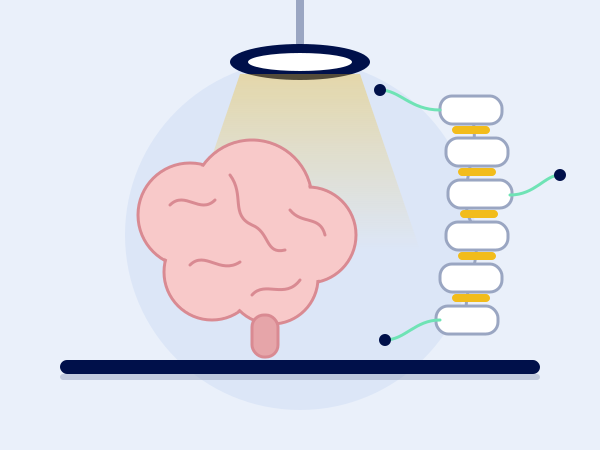
These are common reasons people seek care. They do not diagnose a condition. Your doctor decides what applies to you.
Surgical treatment for conditions of the brain when examination and scans show it is needed.
Surgery for selected spine problems, such as nerve compression from a disc or other causes, when other treatment is not enough.
Emergency assessment after head injury, with ICU support when a patient needs close monitoring.
Where surgery is not needed, guidance on medicines, physiotherapy and follow-up.
The appropriate treatment depends on clinical assessment.
The doctor listens to your symptoms and history and reviews any earlier reports or prescriptions you bring.
A neurological examination, and an MRI or CT scan when needed to see the problem clearly.
Whether surgery is needed, the likely benefits and risks, and alternatives, discussed before any decision.
Monitoring after treatment, with ICU care if required, and guidance for recovery at home.
Neurosurgery
MBBS, MS (General Surgery), MCh (Neurosurgery)
View profile →
10+ Years ExperienceNeurosurgery
MBBS, MS (General Surgery), MCh (Neurosurgery)
Reg. No. 89537 (APMC)
View full profile →
No. Many such problems improve with medicines, exercises and time. Surgery is considered when there is significant nerve compression, weakness or pain that does not settle, based on examination and scans.
Seek emergency care if there is vomiting, drowsiness, confusion, a fit, bleeding from the ear or nose, or weakness after a head injury.
GVS has a 13-bed ICU with ventilator support, staffed 24/7. The team decides the level of monitoring each patient needs.
This information explains possible assessment and treatment options. It does not diagnose an individual condition or replace a medical consultation.